


Gold Zakat & Sharia Compliance
Gold Nisab Kuwait: 85g Value in KWD
Oct
Gold Nisab Kuwait calculations use 85 grams of 24K gold as the commonly cited threshold for zakat. However, its value in Kuwaiti dinars changes with the live gold rate. To estimate the current threshold, multiply the 24K price per gram in KWD by 85. This guide explains the calculation, market factors, and practical considerations for gold owners in Kuwait.
Gold Nisab Kuwait: What Does the Gold Nisab Mean?
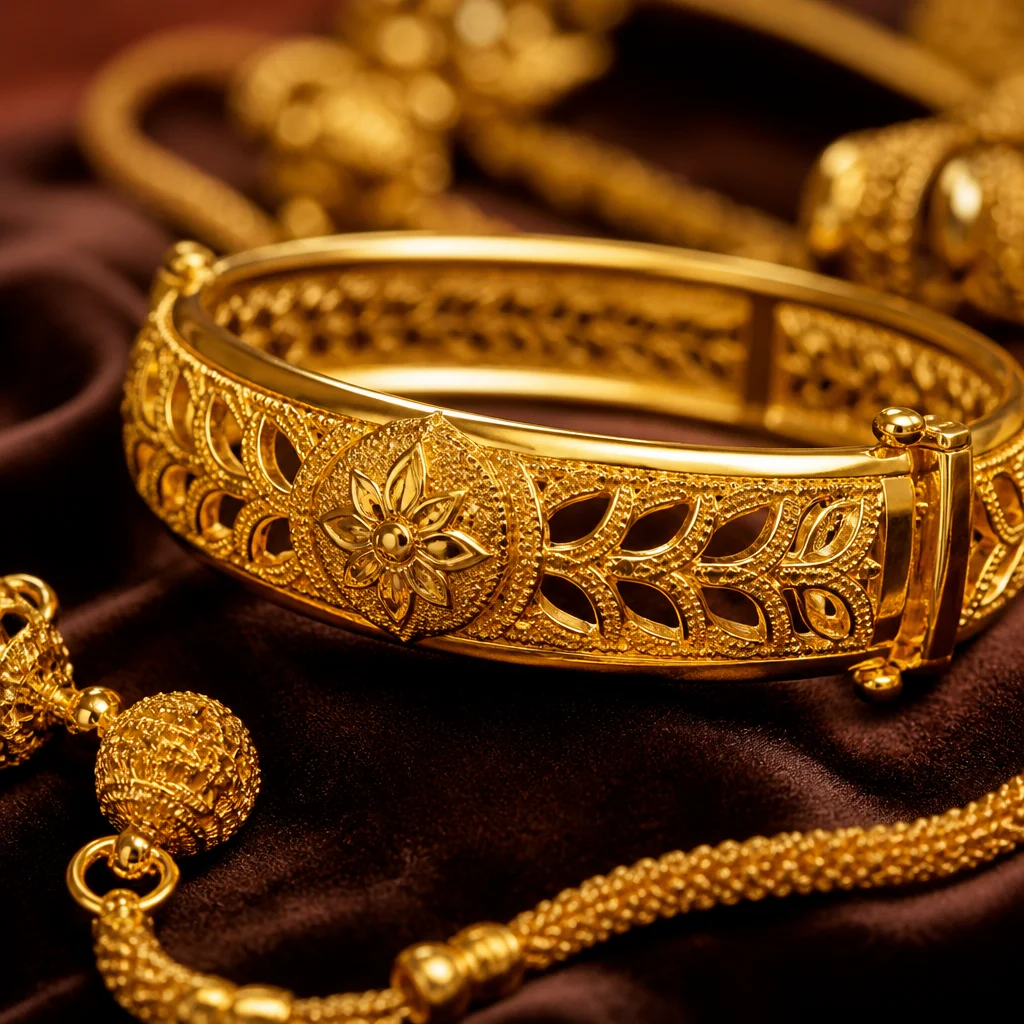
Gold nisab is the minimum amount of qualifying gold wealth used to assess zakat liability. The widely applied benchmark equals 85 grams of pure, or 24K, gold. Therefore, the threshold is a weight rather than a fixed dinar amount.
The KWD value changes whenever the international gold price or currency conversion rate moves. In addition, local dealer pricing may include premiums, spreads, or fabrication charges. These retail costs do not necessarily represent the underlying pure-gold value used in a nisab estimate.
Zakat also depends on factors beyond the threshold itself. For example, ownership duration, debts, intended use, and scholarly guidance may affect an individual assessment. Readers can review this detailed Kuwait gold zakat calculation guide for further context.
Gold Nisab Kuwait: How to Convert 85 Grams of Gold to KWD
The simplest calculation uses a live 24K gold price quoted per gram in Kuwaiti dinars:
Gold nisab value in KWD = live 24K gold price per gram × 85
For example, assume 24K gold trades at KWD 30 per gram. The estimated threshold would then equal KWD 2,550. However, this example is illustrative and is not a live quotation.
If the available market rate is quoted per troy ounce, first convert it to a gram rate. One troy ounce equals approximately 31.1035 grams. Next, convert the result into KWD if the source uses another currency. Finally, multiply the KWD gram rate by 85.
For a recognized international benchmark, readers can consult the World Gold Council gold price data. Nevertheless, the final KWD estimate should use a current exchange rate and a clearly identified 24K price.
Market Factors That Change the KWD Value
Global gold prices respond to inflation expectations, interest rates, geopolitical risk, and investor demand. Consequently, the dinar value of 85 grams can rise or fall throughout the year. Central-bank activity and movements in the US dollar may also influence international prices.
Meanwhile, Kuwait’s exchange-rate framework can affect the local conversion from global quotations. Gold commonly trades internationally in US dollars. Therefore, both the metal price and the applicable KWD conversion rate matter.
Local demand can also influence retail quotations. Weddings, religious celebrations, and gift-buying seasons may increase demand for jewelry. However, jewelry prices often include workmanship and design costs. Those charges should be separated from the pure-gold value when estimating nisab.
Practical Guidance for Gold Owners
First, confirm the purity and weight of each item. A piece marked 24K is close to pure gold, while 22K, 21K, and 18K pieces contain less gold. Therefore, lower-karat jewelry must be converted to its pure-gold equivalent.
For example, multiply the item’s weight by its purity fraction. A 100-gram piece of 21K gold contains about 87.5 grams of pure gold because 21 divided by 24 equals 0.875. As a result, its gross weight and pure-gold weight are not the same.
Second, use a consistent valuation date. Gold rates can change during the trading day, so recording the date and source improves accuracy. In addition, avoid combining purchase prices from different years. The current value is generally more useful for a present-day estimate.
Third, distinguish investment gold from jewelry and personal-use items. Scholarly opinions may differ on how certain jewelry should be treated. Therefore, consult a qualified zakat authority or trusted scholar for a ruling that fits your circumstances.
Strategic Recommendations
- Check live rates: Use a current 24K price per gram rather than an old purchase receipt.
- Verify purity: Review hallmarks, invoices, and reliable assay information before calculating pure-gold weight.
- Separate extra charges: Exclude workmanship, design premiums, and unrelated retail fees from the metal-value estimate.
- Keep records: Note the valuation date, weight, karat, rate source, and resulting KWD amount.
- Seek guidance: Confirm personal zakat obligations with a qualified religious authority when circumstances are complex.
In summary, the commonly used gold nisab is 85 grams of 24K gold. Its KWD value is not fixed because the market rate changes. By checking purity, using a current gram price, and documenting the calculation, Kuwait residents can produce a clearer estimate.
Disclaimer: This publication is for educational and market-information purposes only. It does not constitute financial, legal, or religious advice.