


حفظ الثروات والسبائك
التحقق من أصالة عبوة سبيكة الذهب عيار 1 غرام في الكويت
مواطن
This guide explains how to authenticate 1g gold bar purchases in Kuwait before committing your money. Packaging, seals, and assay cards offer important clues about genuine gold bullion. However, no single visual check proves authenticity. Therefore, buyers should combine careful inspection with dealer verification and professional testing when necessary.
Authenticate 1G Gold Bar: Why Authentication Matters in Kuwait
Gold remains popular in Kuwait as a compact store of value and a culturally significant asset. Moreover, a 1g bar makes physical gold accessible without requiring a large purchase. Its small size also means packaging contributes significantly to resale confidence.
Gold prices move with global demand, currency conditions, interest rates, and geopolitical events. Consequently, buyers should compare the quoted price with the current international gold price and the KWD exchange rate. An unusually low offer may signal hidden fees, questionable sourcing, or counterfeit bullion.
Before buying, consider the complete cost rather than the gold value alone. The guide to 1g gold bar premiums, liquidity, and returns in Kuwait explains how these factors can affect value.
Authenticate 1G Gold Bar: Inspect the Packaging and Security Seal
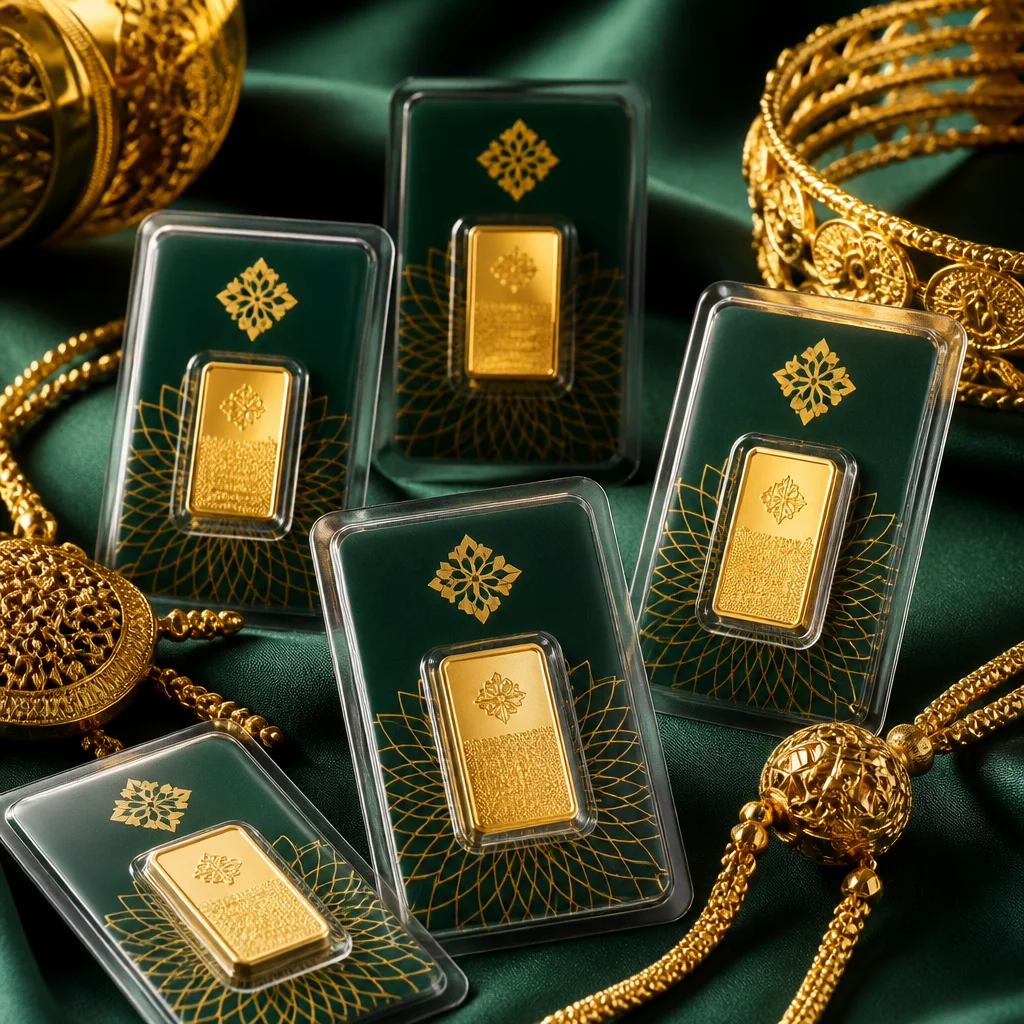
Reputable mints commonly place small minted bars inside tamper-evident packaging. First, inspect the card under bright light. Look for cuts, lifted edges, glue residue, bubbles, or uneven seams. Also, compare the print quality across the front and back.
The manufacturer’s logo, typography, and colors should appear sharp and consistent. In contrast, blurred text or spelling errors deserve further investigation. Counterfeit packaging may also use mismatched fonts or poor-quality holographic features.
Next, check whether the bar sits securely in its intended position. A loose or misaligned bar may indicate that someone opened or replaced it. However, minor packaging wear does not automatically mean the gold is false. Ask the seller to explain any damage before purchase.
Do not open an intact certipack simply to inspect the bar more closely. Opening it can reduce resale appeal and remove useful tamper evidence. Instead, request professional, non-destructive testing if doubts remain.
Authenticate 1G Gold Bar: Check the Assay Card Details
An assay card usually identifies the refiner, stated weight, and gold fineness. For example, many investment bars state a weight of one gram and a fineness such as 999.9. Nevertheless, buyers should compare every detail with the manufacturer’s official product information.
Some cards include an assayer’s mark, certificate number, QR code, or unique serial number. If the manufacturer offers online certipack verification, enter the number on its official website. Never rely only on a QR destination because counterfeiters can copy or redirect codes.
In addition, compare the number on the card with any number engraved on the bar. The digits should match exactly when the product design includes both numbers. Missing or altered numbers should prompt additional checks.
Examine the Bar Without Damaging It
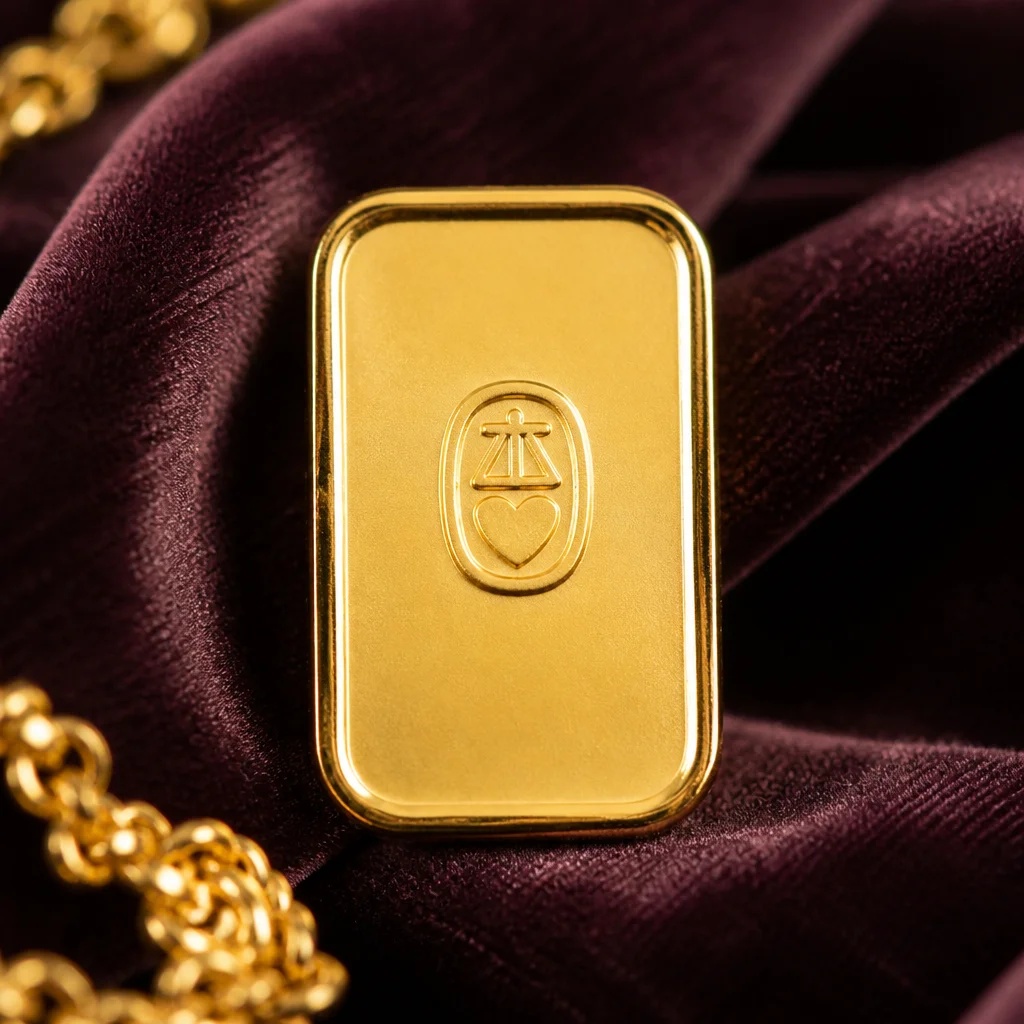
Through the clear package, inspect the bar’s logo, weight, purity, and surface finish. Genuine products generally show clean lettering and consistent design details. Meanwhile, rough edges, uneven engraving, or incorrect spacing may indicate a problem.
Reference photos can help, but use images from the refiner’s official website. Product designs can change over time, so an older appearance may still be legitimate. Therefore, confirm the production style before rejecting a bar based on appearance alone.
Weight and dimensions can support authentication when the bar is outside its package. However, ordinary household scales may lack enough precision for a one-gram product. Professional dealers use calibrated equipment and know the manufacturer’s specified dimensions.
Verify the Refiner and Seller
Packaging cannot compensate for an unreliable seller. Therefore, buy from an established dealer that provides a clear invoice and written product details. The invoice should identify the item, quantity, price, and seller.
Also, research the refiner’s name and reputation. The معايير التسليم الجيد لرابطة سوق لندن للمعادن الثمينة provide useful background on refiner accreditation and market quality. However, inclusion relates to the refiner and does not authenticate every individual retail bar.
In Kuwait, buyers can also review the seller’s commercial details and return policy. Keep the invoice, assay packaging, and payment record together. These documents may support future resale or help resolve a dispute.
Use Professional Testing When Needed
If visual checks raise concerns, ask a reputable jeweler or bullion specialist for non-destructive testing. For instance, professionals may use X-ray fluorescence equipment to analyze surface composition. They may also combine measurements with conductivity or density tests.
No test should damage intact packaging without your approval. Instead, discuss the method, limitations, and cost beforehand. Surface tests alone may not detect every sophisticated counterfeit, so specialists often combine several checks.
Additionally, avoid informal acid or scratch tests on a packaged investment bar. These methods can damage the product and reduce its resale value. A qualified tester offers a safer and more reliable assessment.
Practical Authentication Checklist
- Inspect the seal: Look for cuts, lifted edges, glue marks, or signs of resealing.
- Review the printing: Check logos, fonts, colors, spelling, and security features.
- Confirm assay details: Compare the weight, purity, refiner, and certificate information.
- Match serial numbers: Ensure card and bar numbers agree when both display a number.
- Verify official records: Use only the manufacturer’s website for available certificate checks.
- Assess the seller: Choose a reputable dealer that issues a detailed invoice.
- Protect the certipack: Keep sealed packaging intact unless a professional recommends opening it.
- Request expert testing: Use non-destructive methods when visual checks do not resolve concerns.
Ultimately, careful packaging inspection reduces risk but cannot guarantee authenticity by itself. Combine seal checks, assay verification, seller research, and professional testing. This approach gives investors and collectors greater confidence when buying genuine gold bullion in Kuwait.
Disclaimer: This publication provides educational and market information only. It does not constitute financial or investment advice.