



دليل عيارات ونقاء الذهب
Calculate 24K Gold Price from Live Kuwait Rates

مواطن
This guide shows Kuwait buyers how to calculate 24k gold price from a live gram rate. The process starts with weight, purity, and the current spot price. However, the final cash amount may also include a dealer spread or jewelry premium. Understanding each part helps you estimate value before buying or selling 999.9 gold.
Calculate 24K Gold Price from the Live Gram Rate
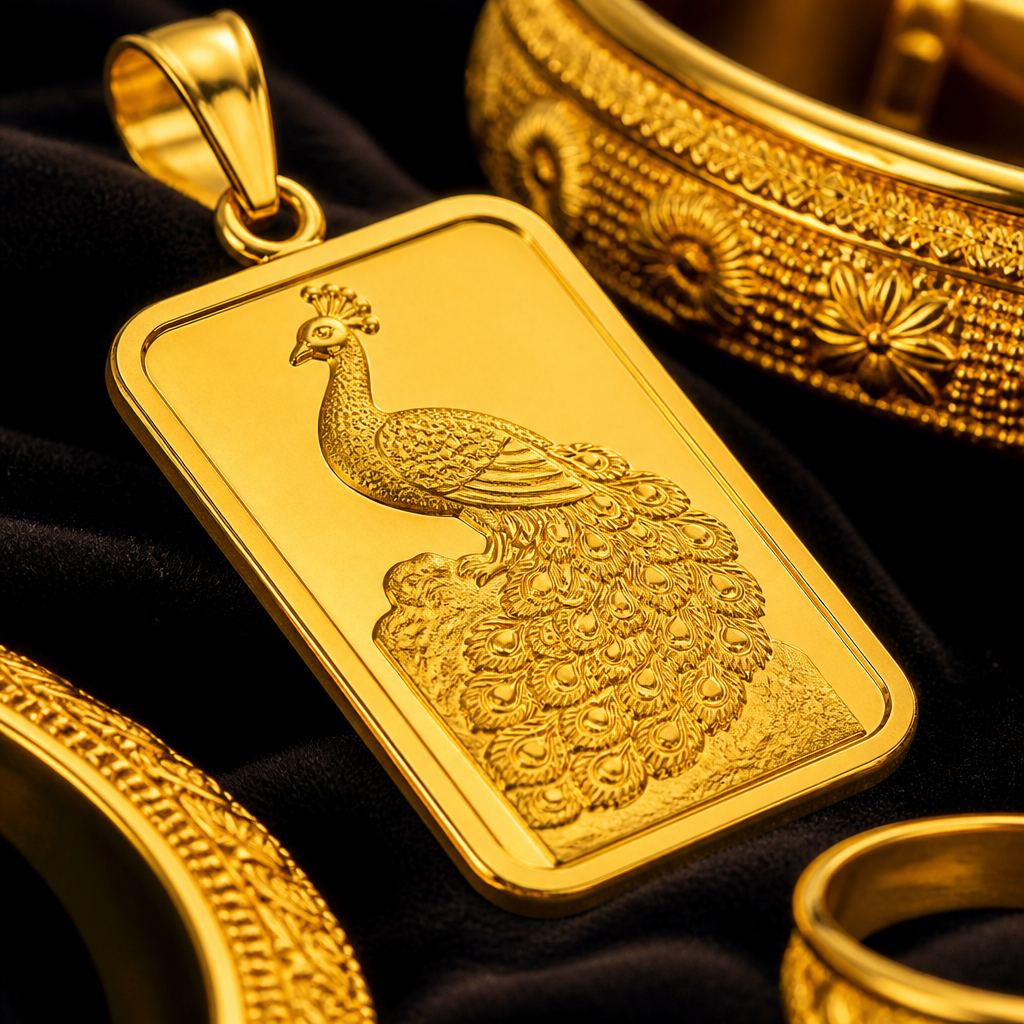
For another helpful perspective, this Calculate 24K Gold Price highlights practical trade-offs for buyers. The simplest calculation uses the live 24K gold rate per gram in Kuwaiti dinars. First, confirm that the displayed rate applies to 24K or 999.9 gold. Then multiply that rate by the item’s weight in grams.
Base gold value = live 24K gram rate × weight in grams
For example, assume the live 24K rate is 15 KWD per gram. A 10-gram bar would have a base gold value of 150 KWD. Likewise, a 20-gram piece would have a base value of 300 KWD.
This method works when the quoted gram rate already represents 999.9 gold. Therefore, you should not apply a second purity adjustment to that rate. Always check the rate’s stated karat before calculating.
Calculate 24K Gold Price: Calculating from the International Ounce Price
International markets usually quote gold in US dollars per troy ounce. One troy ounce equals approximately 31.1034768 grams. Consequently, you can convert the ounce price into a gram price with this formula:
Gold price per gram in USD = spot price per troy ounce ÷ 31.1034768
Next, convert the result from US dollars into Kuwaiti dinars. Use the current USD-to-KWD exchange rate rather than an old or estimated rate. The complete calculation is:
KWD value = ounce spot price ÷ 31.1034768 × USD-to-KWD rate × weight
You can review the recognized LBMA precious metal price data when checking international benchmarks. However, local retail and buyback quotes may differ from the benchmark.
Calculate 24K Gold Price: Accounting for 999.9 Purity
A 999.9 stamp indicates 99.99% gold purity. If your source rate represents theoretical 100% pure gold, multiply the result by 0.9999. In contrast, do not make this adjustment when the quoted rate already covers 999.9 gold.
Fine-gold value = pure-gold value × 0.9999
For instance, 10 grams of 999.9 gold contains 9.999 grams of fine gold. The difference is very small. Nevertheless, applying the correct purity factor improves accuracy for larger holdings.
Market Catalysts That Affect Kuwait Gold Rates
Several market forces move the live gold gram rate. Global spot prices respond to inflation expectations, interest rates, currency demand, and geopolitical events. Meanwhile, the USD-to-KWD exchange rate affects the local conversion.
Gold often attracts more demand during periods of economic uncertainty. As a result, international prices can rise quickly when investors seek defensive assets. Prices can also fall when interest rates increase or the US dollar strengthens.
Local conditions matter as well. Retail demand, available inventory, and dealer operating costs can influence quoted prices in Kuwait. Therefore, two sellers may offer different totals despite using the same international benchmark.
Short-term rates may change several times during the day. For that reason, note the time of the quote when comparing offers. You should also ask how long a seller will honor the stated price.
Estimate the Exact Cash Value
The live gold value provides a baseline, not always the final cash payment. When you sell gold, a buyer may deduct a spread, testing fee, or refining cost. Conversely, a retailer may add fabrication and distribution premiums when you purchase a bar or coin.
Use this formula to estimate a sale:
Estimated cash value = fine-gold value − dealer deductions
Before agreeing to a sale, ask the buyer to list each deduction. Then compare the net cash offer rather than the advertised gram rate. This approach makes different offers easier to evaluate.
For additional context about bullion pricing and resale considerations, read this guide to 1g gold bar premiums, liquidity, and returns. It explains how premiums can affect the practical value of small gold bars in Kuwait.
سوق الذهب الكويتي الاستشاري
Kuwait buyers should distinguish bullion value from jewelry value. A 999.9 bar usually carries a premium above spot. Still, that premium may be relatively easy to identify on the invoice.
Jewelry pricing includes more variables. For example, a retailer may charge for craftsmanship, design, finishing, branding, and gemstones. The live gold gram rate only measures the underlying metal value.
Therefore, calculate the metal value first. Next, subtract it from the total retail price. The difference reveals the combined premium and making charges.
Jewelry premium = retail price − underlying gold value
When estimating resale value, do not assume that a buyer will repay the original making charge. In most cases, buyers focus on recoverable gold content. However, collectible workmanship or a recognized design may add separate market value.
Check Weight, Purity, and Documentation
Accurate calculations require an accurate weight. Therefore, use a calibrated scale and remove any packaging that does not form part of the gold item. For jewelry, account for stones and non-gold components separately.
Next, inspect the hallmark and purchase documentation. A 999.9 mark should correspond to 24K investment-grade purity. In addition, request a clear invoice that states weight, purity, unit price, and extra charges.
For sealed bullion, keep the assay card and original packaging intact when possible. These items can make verification easier. Moreover, recognizable documentation may improve buyer confidence during resale.
Strategic Recommendations
- Monitor live rates: Check the current gram rate before requesting a purchase or sale quote.
- Confirm the karat: Make sure the displayed price applies to 24K or 999.9 gold.
- Record the quote time: Rates can move quickly, so compare offers from the same period.
- Verify the exchange rate: Use a current USD-to-KWD conversion when starting with an ounce price.
- Separate premiums: Identify making charges, dealer spreads, and other fees before calculating the net amount.
- Check the hallmark: Confirm authenticity and retain the invoice, assay card, or certificate.
- Compare cash offers: Focus on the final amount after deductions rather than the headline rate alone.
Ultimately, a reliable valuation combines the live rate with verified weight and purity. It also accounts for the exchange rate and dealer terms. By following these steps, Kuwait buyers can assess gold offers with greater clarity and confidence.
Disclaimer: This publication provides educational and market information only. It does not constitute formal financial or investment advice.